I have spent my entire professional career (over 25 years) as a market researcher, working on both the client and supplier sides of the business, covering a multitude of industries, and addressing a variety of market-specific research projects, from customer satisfaction to advertising and messaging, to brand loyalty and customer retention. The last three years of my career have been specifically focused on design research for Sundberg-Ferar, an industrial design firm with a long history (over 80 years) of product innovation. What I have learned emphatically over the last few years as my research focus has changed is that good, no make that great, design research takes a village, a core faction, a team of individuals working together like a well oiled machine to deliver the answer to a really hard question…how to innovate.
Market research is defined as the process of gathering, analyzing and interpreting information about a market, a product or service to be offered for sale in that market, and about the past, present and potential customers for the product or service. It provides relevant data to help solve marketing challenges that a business will most likely face. In my experience, the informational needs are fairly straightforward – specific questions need to be answered so informed decisions can be made and forward momentum can continue. Generally, the ability to find and report the answers to these questions falls squarely and solely in the lap of the market researcher, within the realm of their individual capabilities and expertise. Granted there is always client input, however, the design, execution and analysis is typically a solo activity – Research, party of one!
Design research is defined as the assessment of design problems and the development of design solutions, with the express intent of ensuring that development proceeds with the user as the central focus. User-centered design tries to optimize the product around how users can, want, or need to use the product, rather than forcing the user to change their behavior to accommodate the product. Although it seems straightforward, true product innovation is a formidable task as innovation can take many forms, ranging from entirely functional principles to purely styling or aesthetic improvements, or as in most cases, falling somewhere right down the middle. And addressing the whole user experience requires a team with multidisciplinary skills and perspectives. A researcher’s singular perspective, although an important one to the process, just won’t cut the mustard.
I will offer two case studies in particular, a research trip to China and Africa and a design project for a pair of garden hand pruners.
China, Africa, here we come…
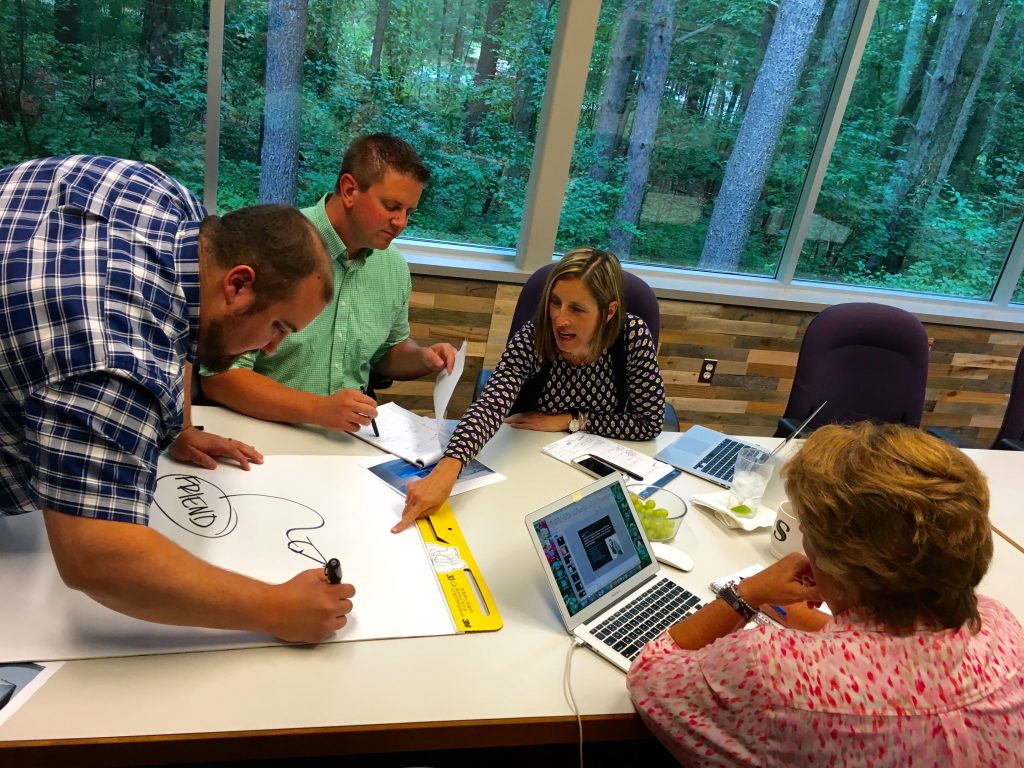
Here at SF we are a group of industrial designers, strategists, engineers and design researchers and every design project has a team approach. We gather the expertise and skillsets from multiple disciplines to approach the project from unique and different perspectives in order to fully understand the issues and opportunities for innovation. Each and every time a designer or engineer accompanies me to an observational or in-depth interview, the additional depth of discovery unearthed is really quite impressive. They simply look at the world differently… they question different things than I do, they notice different things than I do, they process the information differently than I do, but collectively we weave together the threads that lead to white space for our clients.
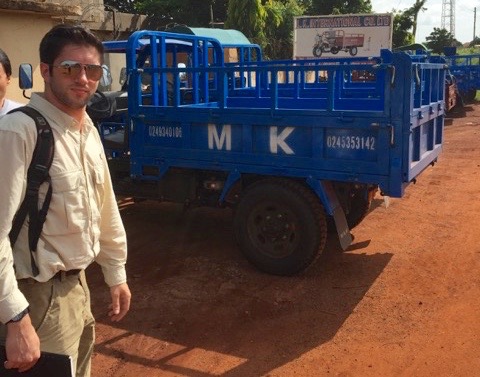
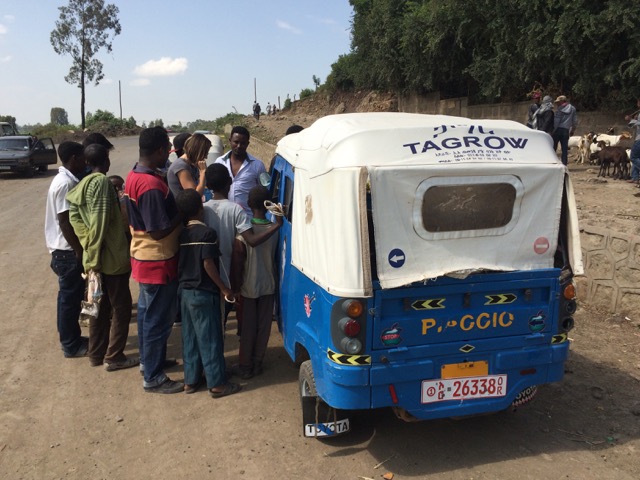
On this recent trip to China and Africa to explore the three-wheel vehicle market, two designers and myself observed and interviewed three-wheel truck owners to understand their unique user experiences. While my line of questioning was very human-centric, focusing on design elements that played to the overall comfort and convenience of the vehicle, the designers were uncovering unique compensatory behaviors owners were performing (particular modifications they were making to the body of the trucks themselves) to increase the overall durability and stability of the equipment.
SF in the Garden…
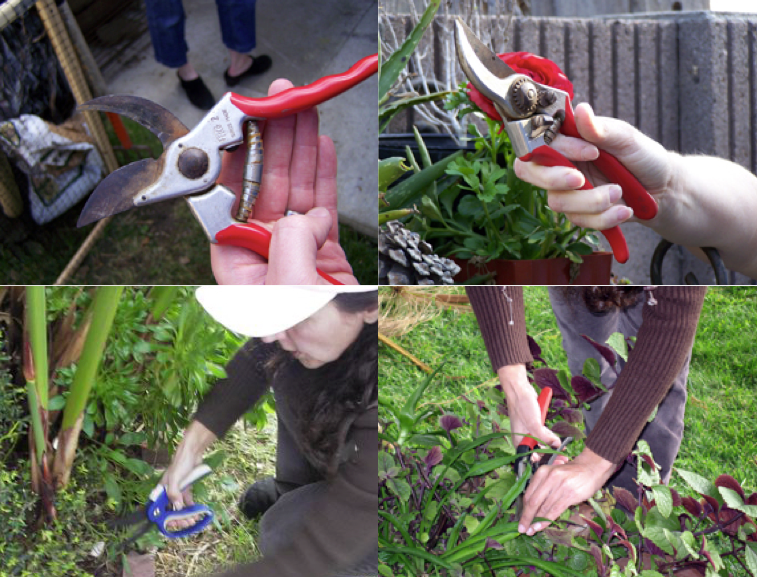
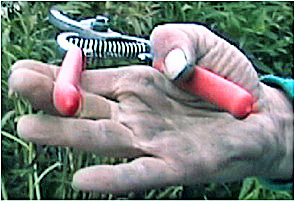
In another design initiative our team was tasked with innovating in the gardening hand tools category. Similarly to the three-wheel truck example, it was during an observational/in-depth interview that a compensatory behavior was identified in the way the gardener was using a set of hand pruners. After conducting several in-yard investigations, we were at the home of a gardening enthusiast in California, when one of our industrial designers noticed that the homeowner/gardener holding her hand pruner in a way we had not seen before. When he asked her why she held the tool that way, she explained that it allowed her to maintain control of the tool, while at the same time, keep the surrounding twigs or leaves out of the line of sight of what she was about to cut. This one small insight, gained through the keen observation of the designer on our team, led to a significant design element on the product that went into production – an element that not only provided a new and distinctive visual element, but a genuine functional advantage as well.
While I always enjoyed the more autonomous work I preformed as a market researcher, the ability to work in this team environment has broadened my mind and ultimately made me a stronger researcher. I feel the level of work performed for our clients is stronger, more robust and significantly more insightful and I’m particularly happy to say I am a proud member of Team SF!